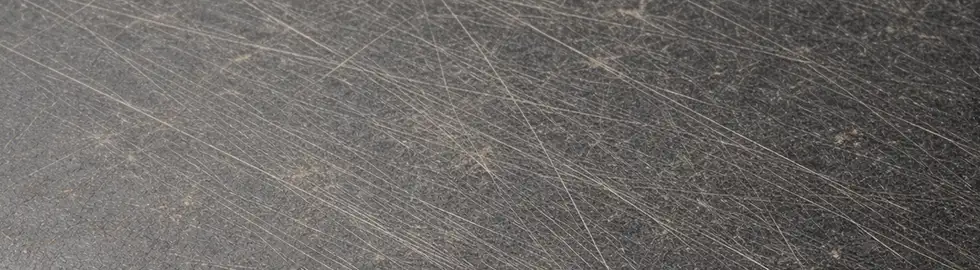







SPE COURSE: Understanding Wear and Friction in Plastics

  Course

Understanding Wear and Friction in Plastics

  April 6, 2026
  All workshop days are from 2:00 PM to 3:00 PM ET.
  Online

Understanding Wear and Friction in Plastics

  Summary

Wear can be defined as damage to a solid surface caused by the removal or displacement of material through mechanical action associated with contact with a mating surface. Plastic components are used in a wide range of demanding applications in which they are subjected to surface damage and wear. These commonly include:

  • Bearings
  • Seals
  • Valves and Pistons
  • Fasteners
  • Conveyor Systems
  • Tanks and Hoppers
  • Gears

Wear of plastics is a relatively common failure mechanism, which needs to be understood in order to avoid component malfunction and breakdown. This course will address the mechanisms of wear in plastics.

Plastic wear is affected by several factors that may be generally categorized into mechanical, environmental, and thermal aspects. These three groups of factors essentially determine the mechanism of wear of a plastic surface when it comes in contact with another surface.

The topics covered as part of this presentation will include:

  • Wear factors
  • Mechanisms of wear in plastics
  • Environmental
  • Thermal
  • Mechanical
  • Wear resistant plastics
  • Wear testing
 

If you can't attend the live session, or if you want to review some concepts, the recording will be available after the session.

  Registration Information

SPE Premium MemberFree
SPE Members$49
SPE Student Members
Student but not a student member?
Join SPE for free to get program discounts!
$25
Nonmembers$249

 
1 Session
 
Level: Intermediate
 
Total Hours: 1 Hour
 
Streaming access on desktop and mobile browsers

  Instructor

Jeffrey A. Jansen
Engineering Manager
The Madison Group
Linked   

Jeffrey A. Jansen is the Engineering Manager and a Partner at The Madison Group, an independent plastics engineering and consulting firm. Jeff is a proven plastic professional with more than 30 years of experience solving problems and addressing opportunities related to polymeric materials. He specializes in failure analysis, material identification and selection, as well as compatibility, aging, and lifetime prediction studies for thermoplastic materials. Jeff has performed over 5,000 investigations, both for industrial clients and as a part of litigation. He is a regular presenter on the SPE webinar series, covering a wide range of topics related to plastics failure, material performance, testing, and polymer technology. Jeff is a graduate of Carroll College and the Milwaukee School of Engineering.


  Questions? Contact:

For questions, contact Iván D. López.


  Who Should Attend?

This course is designed for professionals who work with plastic components that experience friction, abrasion, or surface interaction—and who need a deeper understanding of wear mechanisms to improve performance and reliability. It is especially valuable for:

  • Product Design Engineers: Engineers responsible for designing gears, bearings, seals, pistons, fasteners, and other components where wear and surface damage are critical performance factors.
  • Materials & Polymer Engineers: Professionals involved in material selection, performance evaluation, and development of wear‑resistant plastic formulations.
  • Manufacturing & Process Engineers: Those working with injection molding, machining, or assembly processes where surface finish, contact mechanics, and tribology influence part quality and durability.
  • Reliability, Quality, and Failure Analysis Teams: Teams responsible for diagnosing wear‑related failures, evaluating performance under different operating conditions, and improving product longevity.
  • Maintenance & Operations Engineers: Individuals overseeing equipment that uses plastic wear components—such as conveyor systems, valves, tanks, and hopper systems—and who need to understand why parts fail and how to extend their service life.

  Why Should You Attend?

  • Do your plastic components suffer from premature wear, abrasion, or surface damage?
  • Are you unsure why certain polymers fail quickly while others thrive under identical operating conditions?
  • Do you need a deeper understanding of the factors that drive wear so you can design more reliable, longer‑lasting plastic parts?

If these challenges sound familiar, this course was designed for you.

  Everyday Problems You’ll Address

  • Why is my plastic component wearing out faster than predicted—even under low loads?
  • Why do gears, bearings, seals, pistons, or conveyor components suffer from unexpected surface damage?
  • What factors contribute most to wear—mechanical, environmental, or thermal—and how do I identify the root cause?
  • How do I select a material that offers better wear resistance for my application?
  • Which wear tests matter, and how should I interpret the results?
  • How can I prevent costly equipment breakdowns caused by wear-related failures?

If you've encountered issues like these, this webinar will give you the clarity and tools you need.

  What You’ll Learn

  • The fundamental mechanisms of wear in plastics, including abrasion, adhesion, fatigue, and other damage modes.
  • The key mechanical, environmental, and thermal factors that influence wear performance.
  • How to choose wear-resistant plastics—including when and why certain polymers outperform others.
  • How wear testing is performed, and how to use test data to guide material selection and design decisions.
  • Practical insights for improving part longevity in applications such as gears, bearings, seals, valves, fasteners, conveyor systems, tanks, and hoppers.

You’ll walk away with a deeper understanding of why wear occurs—and how to design to prevent it.

  Why This Course Matters

Wear is one of the most common and costly failure mechanisms in plastic components.
Whether the issue is friction, abrasion, contamination, insufficient lubrication, or elevated temperature, worn parts can lead to downtime, inefficiency, and system failure.

This webinar helps you:

  • Understand how and why wear happens, so you can address problems before they occur.
  • Identify the dominant wear mechanisms affecting your application.
  • Select better materials and design strategies to improve component life.
  • Reduce failures and maintenance costs by making more informed engineering decisions.
  • Communicate effectively with suppliers and teams using correct terminology and test methods.

If you're ready to improve reliability, reduce premature wear, and optimize material performance, “Understanding Wear of Plastics” is your next step.


This educational program is provided as a service of SPE. The views and opinions expressed on this or any SPE educational program are those of the Speaker(s) and/or the persons appearing with the Speaker(s) and do not necessarily reflect the views and opinions of the Society of Plastics Engineers, Inc. (SPE) or its officials, employees or designees. To comment or to present an opposing or supporting opinion, please contact us at info@4SPE.org.

Refund Policy

Full refund 30 days prior to the event start date. Please contact customerrelations@4spe.org for assistance with registration.

Copyright & Permission to Use

SPE may take photographs and audio/video recordings during the conference, pre-conference meetings and receptions that may include attendees within sessions, networking areas, exhibition areas, and other areas associated with the conference both inside and outside of the venue. By registering for this event, all attendees are providing permission for SPE to use this material at its discretion on SPE's websites, marketing materials, and publications. SPE retains ownership of copyright to all photographs and audio/video recording obtained at this event and attendees may request copies of any material in which they are included.

Anti-Trust Statement

  1. No discussion among members, volunteers, or staff, which attempts to arrive at any agreement regarding prices, terms or conditions of sale, distribution, volume, territories, or customers;
  2. No activity or communication which might be construed as an attempt to prevent any person or business entity from gaining access to any market or customer for goods or services or any business entity from obtaining services or a supply of goods;
  3. No activity or communication which might be construed as an agreement to refrain from purchasing or using any materials, equipment, services or supplies of or from any supplier; or
  4. No other activity which violates anti-trust or applicable laws aimed at preventing unfair competition.
spe2018logov4.png
Welcome Guest!   Login